
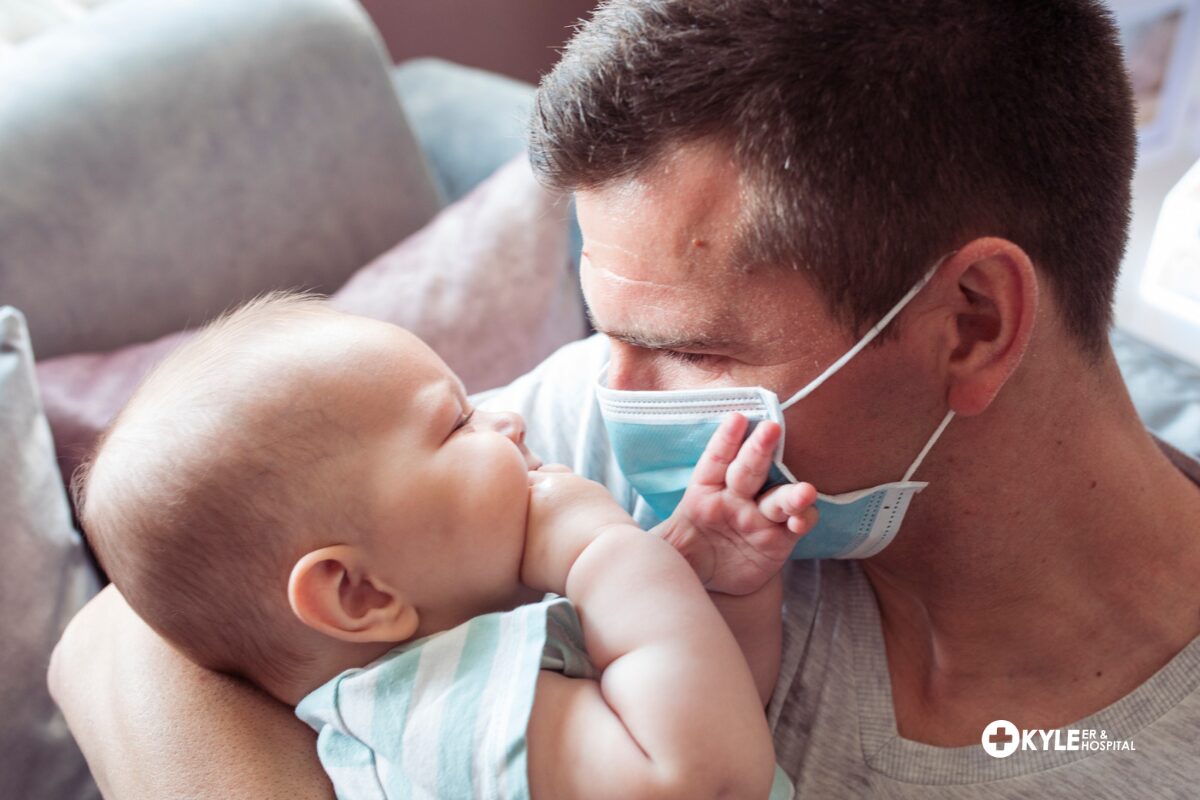
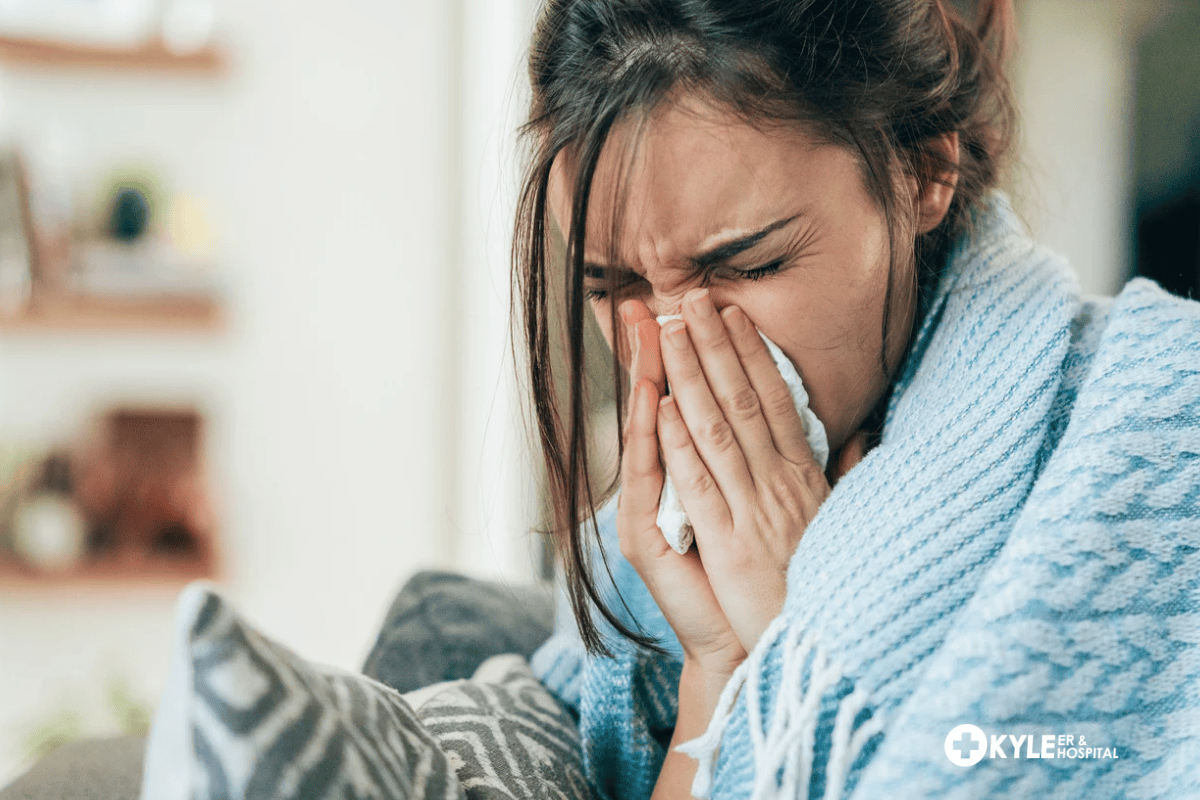








During cold and flu season, it’s an important question.
The tricky part?
You don't have feel sick to Be Contagious
Here's What To Know About Three Common Seasonal Illnesses:
When Should you Stay Home?
For respiratory symptoms, the CDC recommends staying home and away from others until:
- Your symptoms have been improving for at least 24 hours.
- You have been fever-free, without medication, for at least 24 hours.
- Take additional precautions for the next 5 days by: washing hands frequently, wearing a mask, and avoiding close contact with people at higher risk for serious illness.
How You Can Prevent The Spread:
- Stay home and away from others when you’re sick.
- Cover coughs and sneezes, clean frequently touched surfaces, and avoid close contact with people at higher risk of severe illness.
- Keep recommended vaccinations up to date and ask a healthcare professional about treatment options if you’re at increased risk of complications.
Seek Emergency care if
you or a loved one experiences:
- Difficulty breathing or shortness of breath.
- Persistent chest pain or pressure.
- New confusion or difficulty staying awake.
- Bluish or gray lips, skin, or nail beds.
- Severe dehydration or fainting.
- Seizures or other sudden, severe symptoms.
Infants and children may show different warning signs like difficulty feeding, rapid breathing, or lethargy.
When in doubt, Take Care of yourself and others
So, am I contagious? The answer isn’t always obvious. You can spread certain illnesses before symptoms appear, and you may remain contagious even after you start feeling better.
The best approach is to listen to your body, stay home when you’re sick, practice good hygiene, and take precautions around others.
At Kyle ER & Hospital, we’re here when you need emergency medical care. Our experienced medical team provides care for adults and children, 24 hours a day, seven days a week.
If you or a loved one develops concerning symptoms, don’t wait to seek care.